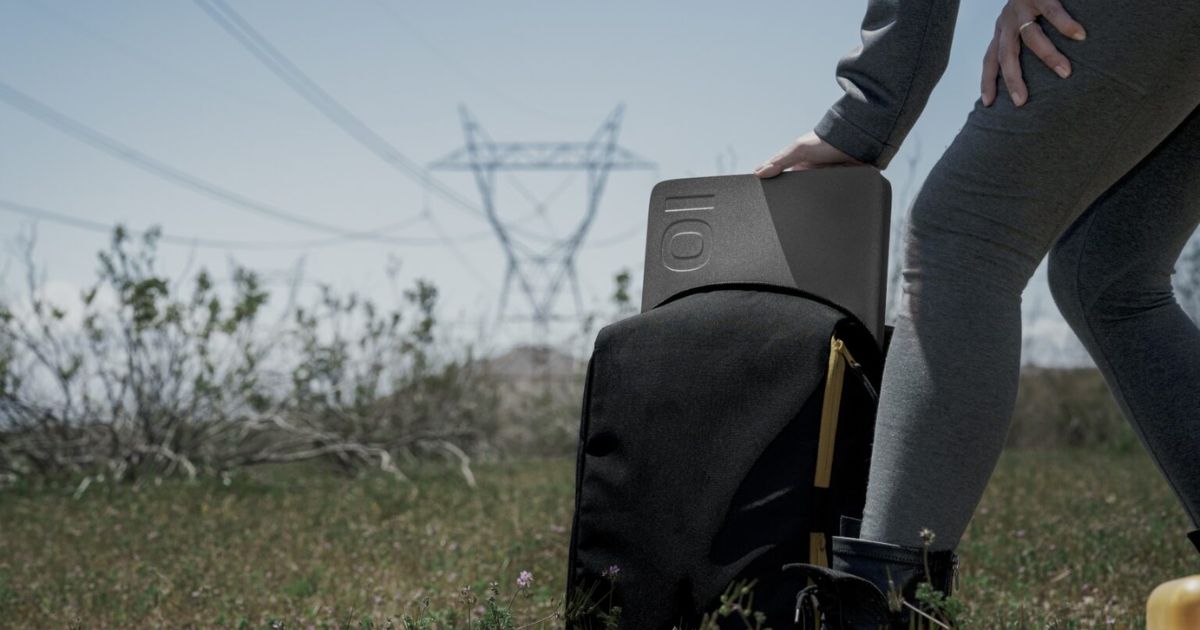
When storage keeps up with creative intent, whole teams move differently. You stop budgeting time for copies, stop negotiating over who gets the “fast drive,” and stop building workarounds just to keep the day on schedule. In this era of fast write speeds, reliable solid-state technology, and optimised data protection, even a traditional hard drive is reimagined as a powerful, enterprise-level tool for creative teams.
That is the promise behind a new class of portable Thunderbolt NVMe RAID systems—built to work seamlessly over both USB-C and Thunderbolt connections—with sustained multi-gigabyte performance, enterprise-grade protection, and collaboration features that feel more like shared infrastructure than a single external drive. This isn’t just any hard drive—it’s the fastest, most reliable, and collaborative hard drive that redefines data transfer, backed by the most compact 192TB drive design available. It’s cutting‑edge storage engineered for scalability, resilience, and efficiency.
Why “fastest” matters only when it stays fast
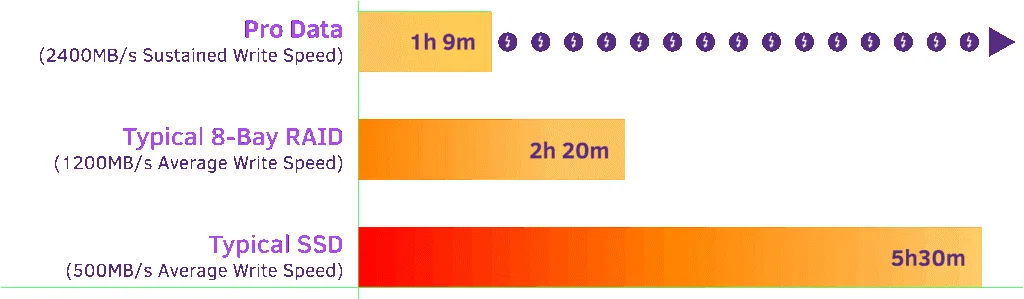
Peak benchmark numbers are easy to quote. Sustained performance is what professionals actually feel. Long-form transfers, multicam timelines, and dense VFX caches expose the gap between “burst” speed and real throughput. When a device can sustain 5+ GB/s for minutes or hours while delivering consistently high write speeds, the workflow shifts from “copy then create” to “create” alone, with optimal efficiency.
After a paragraph like that, it helps to name the friction points this kind of storage removes:
- Waiting on offloads during large data transfer sessions, saving valuable time and boosting productivity
- Proxy-first editing that slows down creative production has been replaced by ultra-fast, seamless workflows
- Splitting projects across many disks rather than using unified, scalable collaborative storage
- Render stalls caused by I/O contention are now mitigated with innovative, high-performance technology
Pro Data now ships in 96TB and 192TB, without getting unwieldy
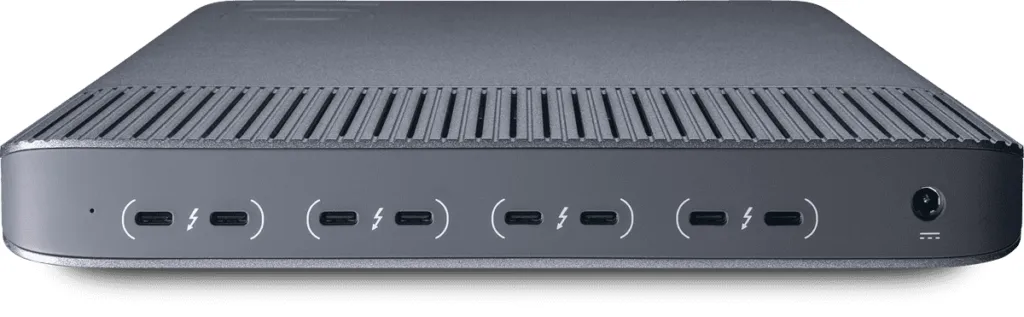
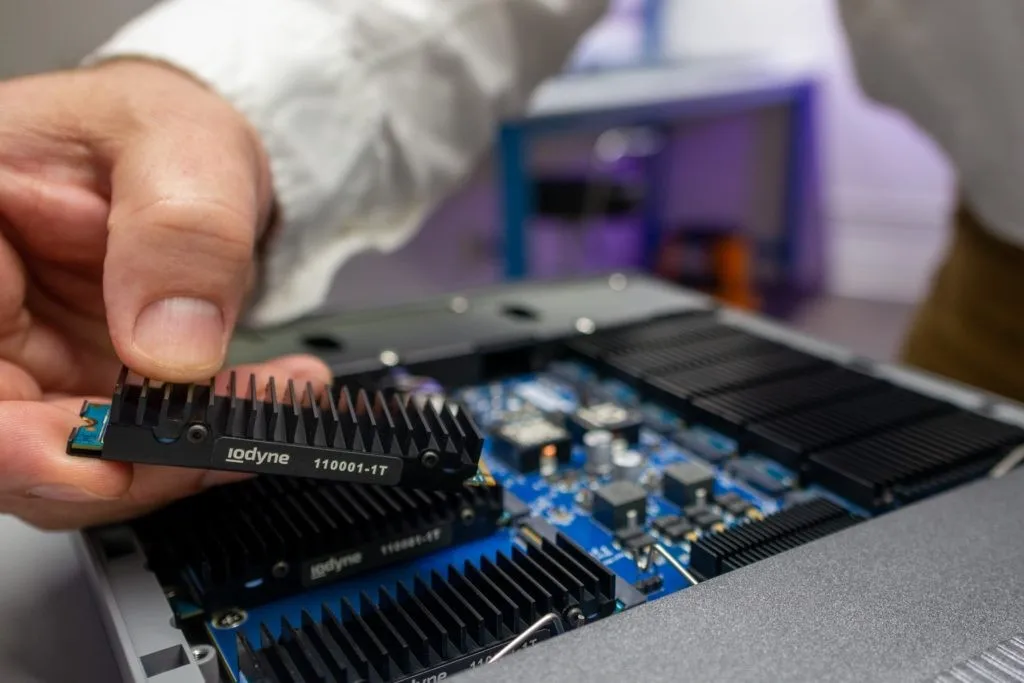
The headline is capacity, but the real story is density and enterprise-level scalability. A 192TB all‑NVMe portable RAID is a different tool than a cart of smaller SSDs and traditional hard drives. It earns the “fastest and collaborative hard drive, most compact 192TB drive” label by collapsing what used to be a cart of media into something that can live on a desk, travel to set, or move between suites with remarkable reliability and optimised data integrity.
Pro Data is available in 12TB, 24TB, 48TB, 96TB, and 192TB capacities, designed to scale from single-editor rigs to multi-system teams that need a single high-speed source of truth for innovative, performance-driven projects. Leveraging the latest NVMe technology, this product is as revolutionary as it is practical.
Sustained 5+ GB/s and Thunderbolt NVMe Multipathing
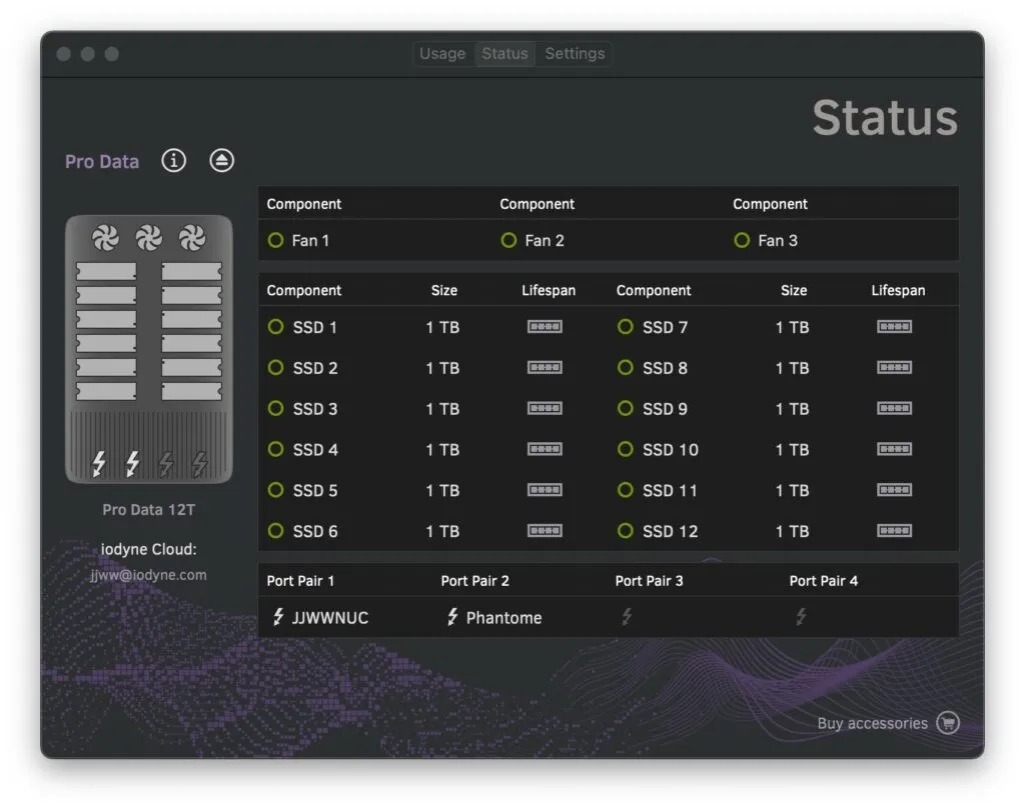
The core performance claim is sustained 5+ GB/s in multipath mode, paired with consistent throughput under load. That distinction matters because creative workloads are rarely “clean” single-stream tests. They are simultaneous reads, writes, small metadata hits, and big sequential pulls happening all at once. Technologies like Thunder Blade X12 further enhance parallel data paths to keep performance robust—even in heavy collaborative storage environments—with enterprise-level multi-threading and resilience.
Thunderbolt NVMe Multipathing is the enabling trick. With the right host support and drivers—whether through Thunderbolt 3 or USB-C connections—multiple Thunderbolt links can be bonded so the storage presents multiple PCIe paths into the same NVMe pool. In fact, paired with Thunder blade X12 controllers, one system can connect with two cables and gain both more bandwidth and a layer of path resilience if one link drops, ensuring that secure, performance-optimised data transfers remain uninterrupted.
This is where “fastest” starts to feel practical rather than promotional: the device is not just quick when idle, it stays responsive while the timeline plays, the cache fills, and exports run—providing a streamlined, enterprise‑level solution.
Collaboration, without the slow detour through a network
Traditional collaboration patterns usually force a compromise:
- Local drives are fast but isolated.
- Shared NAS is shareable but adds setup, network tuning, and latency.
- Copying drives is simple but creates version drift.
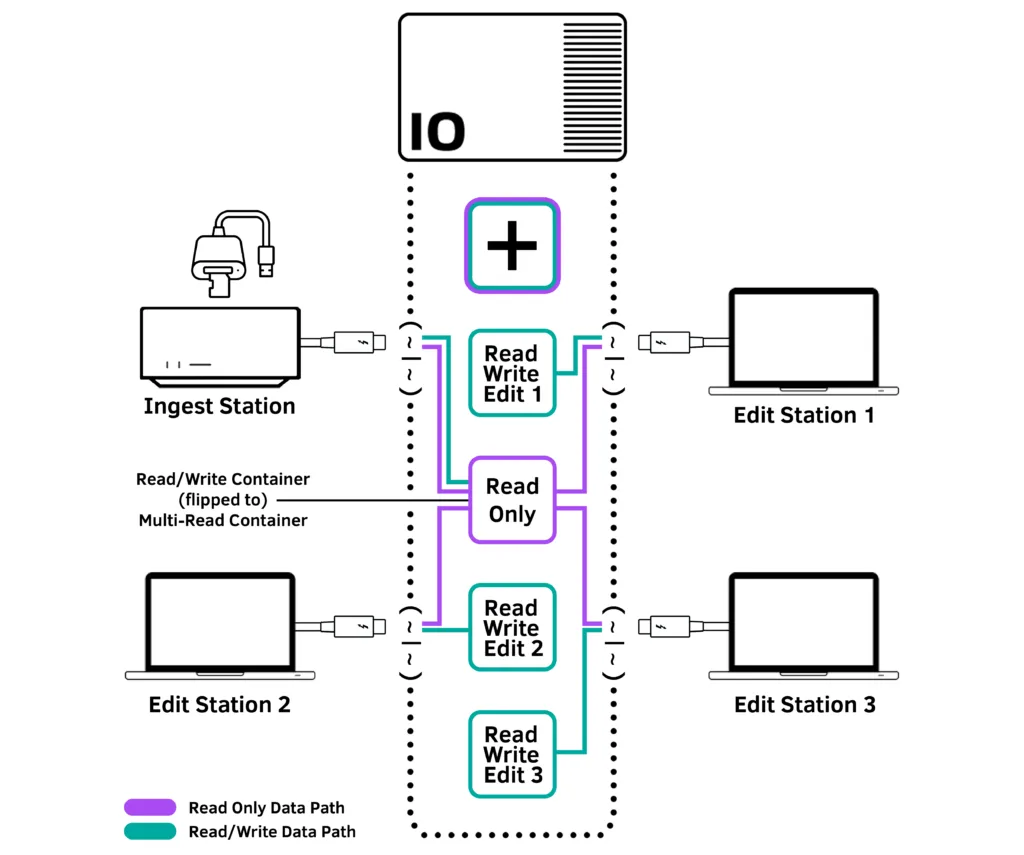
Multi‑Reader Sharing targets that middle ground by enabling secure, optimized collaborative workflows. A container can be presented to multiple host systems at the same time, letting several workstations mount the same dataset concurrently for read access. One person can manage ingest or controlled write operations, while others pull full‑speed reads directly over Thunderbolt, ensuring reliable and resilient data transfer between systems. This approach embodies the ideal of collaborative storage with streamlined project management and enterprise‑grade reliability.
A single canonical copy changes behaviour. Assistants can prep selects while editorial cuts, colour can conform against the same media, and review stations can open the same deliverables without anyone waiting for “their” duplicate—optimising overall workflow efficiency.
Containers: one device, many projects, fewer mistakes
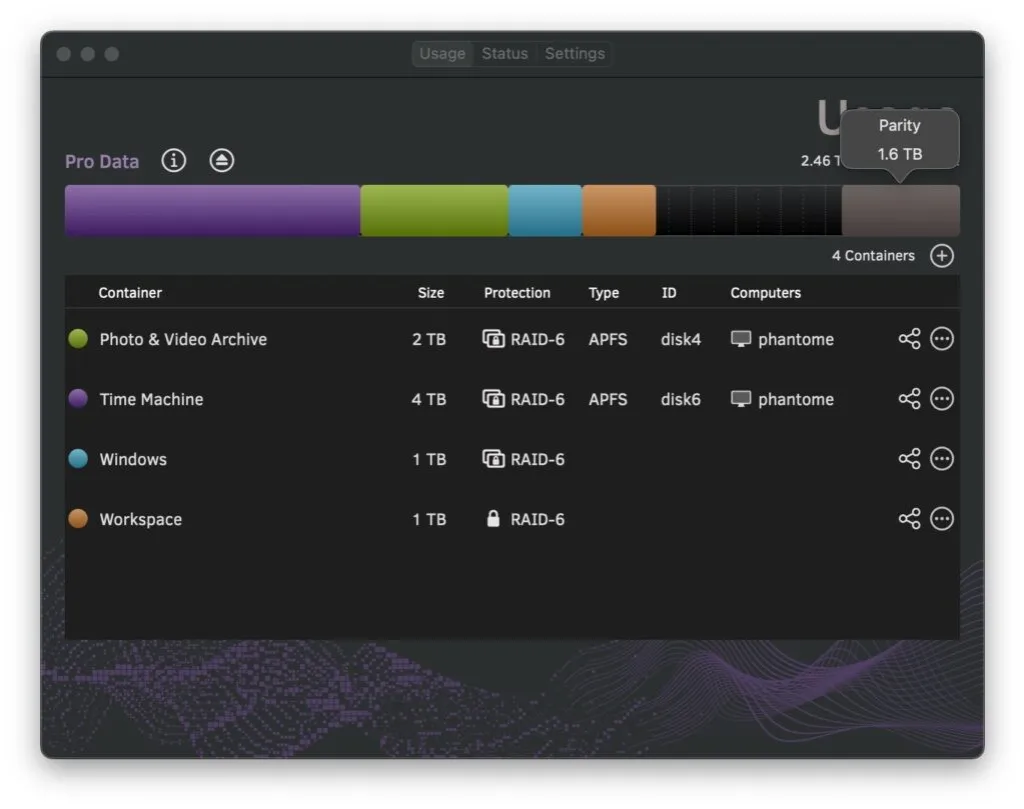
High‑capacity storage only helps if teams can partition it cleanly. Pro Data’s container model makes that easier by letting a single physical NVMe pool be sliced into multiple logical volumes. Each container can be formatted appropriately for the job and tuned for protection level, all while meeting cutting‑edge, enterprise‑level security standards.
That makes one device feel like a fleet:
- Per‑project separation: one container per show, client, or matter, ensuring consistent data security and management
- Mixed OS workflows: dedicate exFAT for interchange, APFS for Mac‑centric work, and other formats when needed to optimize compatibility and performance. This solution supports mac os, windows, and Linux environments without a hitch.
- Policy by container: pick RAID‑6 (often referred to as raid6 when discussed in technical briefs) where it matters most, and reserve RAID‑ for scratch where speed is the priority
The result is less manual partitioning, fewer “which drive is the latest?” conversations, and cleaner handoffs—all supported by streamlined processes that improve overall productivity.
Capacity and usable space: what 96TB and 192TB mean in practice
With hardware RAID‑6—utilising a robust RAID6 configuration—and built-in encryption, dual parity reduces usable capacity, trading raw space for the ability to tolerate multiple drive failures. Many teams accept that trade immediately because the alternative is operational risk: one failure turning into a lost day, or worse, lost originals. This robust, innovative design provides a significantly secure and scalable environment for mission‑critical data.
Below is a simple way to think about the lineup when configured for maximum capacity (RAID‑) versus higher protection (RAID‑6/raid6).
| Pro Data model | Raw capacity (RAID-) | Typical usable (RAID‑6/raid6) | What it enables |
| 12TB | 12TB | ~10TB | Fast shuttle and active project work with optimized efficiency |
| 24TB | 24TB | ~20TB | Small team editorial, travel kits with enterprise‑grade reliability |
| 48TB | 48TB | ~40TB | Multicam days, longer on‑set capture windows and resilient storage performance |
| 96TB | 96TB | ~80TB | Multi‑day shoots, larger finishing timelines with streamlined collaboration |
| 192TB | 192TB | ~160TB | High‑volume productions, big dataset staging, fewer devices to manage, and robust scalability |
The practical win is consolidation. Fewer devices mean fewer labels, fewer power supplies, fewer failure points, and fewer opportunities to misplace “Drive 7 of 12”—all contributing to an efficient, high‑performance workflow.
Hardware RAID‑6 and encryption built in
Professional environments often need two things at once: performance and safeguards. Software encryption can be workable, but it often introduces complexity across systems and can chip away at throughput when machines are already busy. With Pro Data, encryption and RAID are implemented in hardware, keeping protection “always on” while preserving the performance profile that makes the device valuable in the first place, which is particularly important for enterprise‑grade security and optimised workflows. This hardware solution, based on NVMe and RAID6 technology, ensures that robust protection and ultra‑fast processing go hand in hand.
That has real downstream effects:
- Teams can transport sensitive footage, legal data, or proprietary research with less exposure risk, knowing that secure encryption is built in.
- Drives can move between macOS, Windows, and Linux workstations without turning security into a workflow tax, ensuring seamless, cross‑platform compatibility.
- Protection is standardised, so the storage policy does not depend on who set up the project folder last—empowering teams with robust, resilient solutions.
Built for macOS, Windows, and Linux workflows
Mixed environments are common now: Mac laptops on set, Windows workstations for 3D, Linux boxes for compute, and review systems that need quick access without drama. Pro Data is designed to sit comfortably in that reality. To the OS and creative apps, it behaves like a very fast external volume, whether it’s accessed via Thunderbolt 3 or a modern USB-C port. Editors do not need a special “storage mode” to work, and the performance benefits show up in the same tools teams already use: NLEs, grading systems, compositing apps, and data management utilities. This cross‑platform flexibility, combined with enterprise‑grade performance, makes for a truly innovative storage solution.
One sentence that captures the goal: fast storage should be invisible until you measure how much time it gives back—setting the stage for a truly resilient and efficient creative workflow.
When “portable” means finishing anywhere
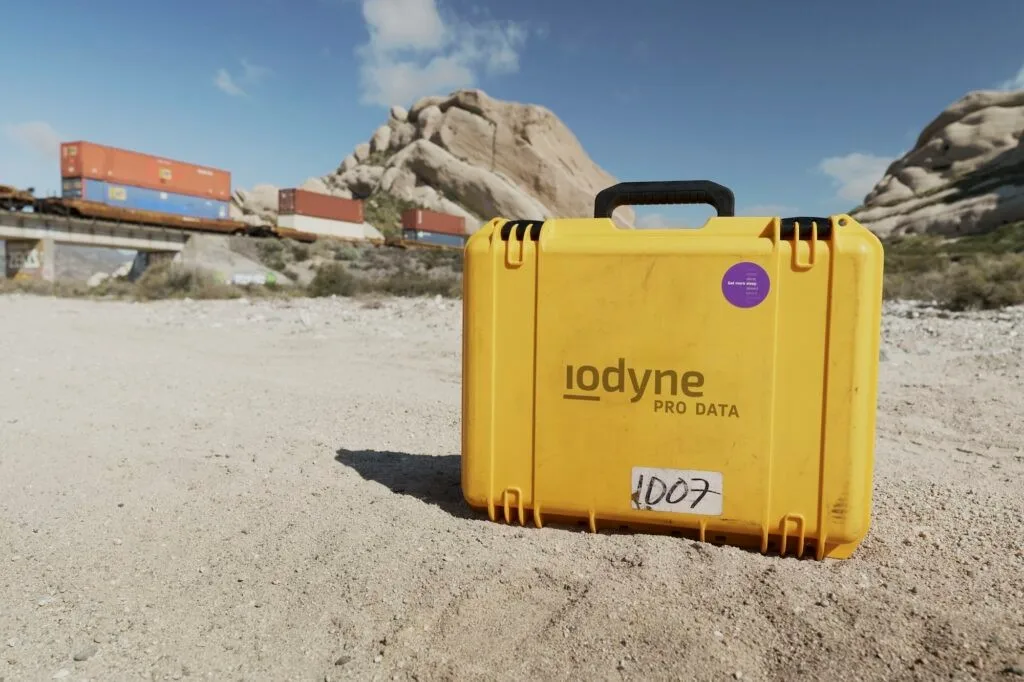
Portability is not only about weight. It is about whether a device can serve as real working storage, not just a transfer disk. High sustained bandwidth makes tasks like on‑site finishing, quick‑turn colour, and remote editorial more realistic, because the storage is no longer the limiting factor. When the drive can keep up with multiple streams and heavy scrubbing, you can do meaningful work in places that used to be “prep only,” leveraging a resilient, high‑performance workflow anywhere.
Coming soon: Pro Mini for truly mobile, high‑security work
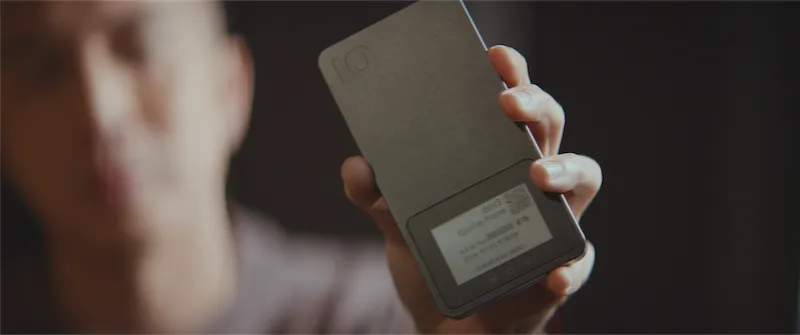
Pro Data addresses collaboration and scale. Pro Mini is designed for moments when you want the smartest possible drive in your pocket. The idea is simple: a compact portable SSD with sustained 3+ GB/s performance, advanced cooling, and security features that look more like managed hardware than a typical consumer drive. Planned capacities are 4 TB and 8 TB. This innovative design is optimised for portable, enterprise‑grade performance.
It also introduces quality‑of‑life features that matter in the field: a digital label to reduce mix‑ups, tracking support to improve recovery odds, and hardware RAID‑6 (raid6) plus encryption for durable, robust protection on the move.
A practical setup pattern for teams working at speed
High‑end storage pays off fastest when the workflow around it is intentional. The goal is not only to buy performance, but to convert it into fewer steps and clearer ownership. A straightforward pattern looks like this:
- Ingest container: write-optimised space for incoming media and verified copies, ensuring resilient, secure data capture.
- Share container: a read‑only Multi‑Reader dataset for parallel access across up to four systems, streamlining collaborative production.
- Scratch container: fast temporary space for caches, renders, and transcodes, designed for peak performance.
- Archive handoff: scheduled moves to longer‑term storage, whether that is LTO, a larger NAS, or cloud, ensuring seamless scalability and data integrity.
This approach reduces contention. It also makes it obvious what is authoritative and what can be regenerated, reinforcing disciplined, enterprise‑level data management practices.
Collaboration at scale is really about discipline
A fast, collaborative drive does more than speed up transfers. It encourages better habits. When teams can mount the same dataset without duplicating it, they stop creating accidental forks of a project. When containers cleanly separate shows or clients, fewer files end up in the wrong place. When RAID‑6 (raid6) and encryption are part of the platform, protection is no longer optional or inconsistently applied. This results in optimised, high‑performance workflows with fewer interruptions.
The best part is that these gains compound: fewer copies lead to fewer mistakes, fewer mistakes lead to fewer interruptions, and fewer interruptions leave more room for the work that actually matters. In this way, enterprise‑grade, innovative storage transforms productivity, data security, and collaboration into a single, streamlined experience.